Kino42 (Podil) - 7pm
Kostiantynivska St, 11Б, Kyiv, 04071
https://maps.app.goo.gl/Qchv6ZqewmDM2PvT7
Please join us a for a film and Q&A.
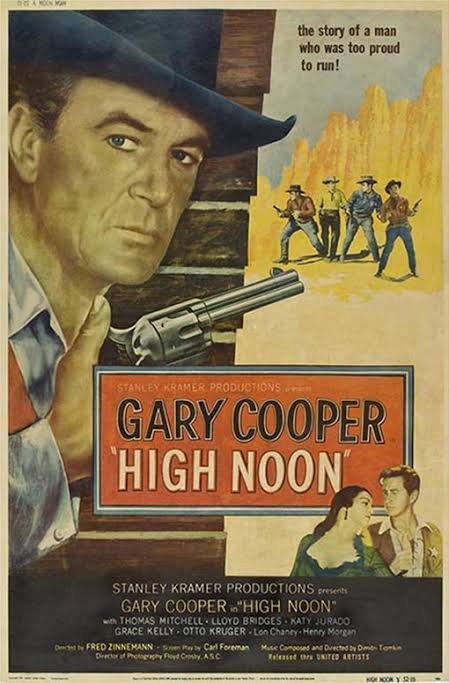
Join us for a special screening of the taut, real-time Western masterpiece High Noon (1952), hosted by Alberto Queiroz.
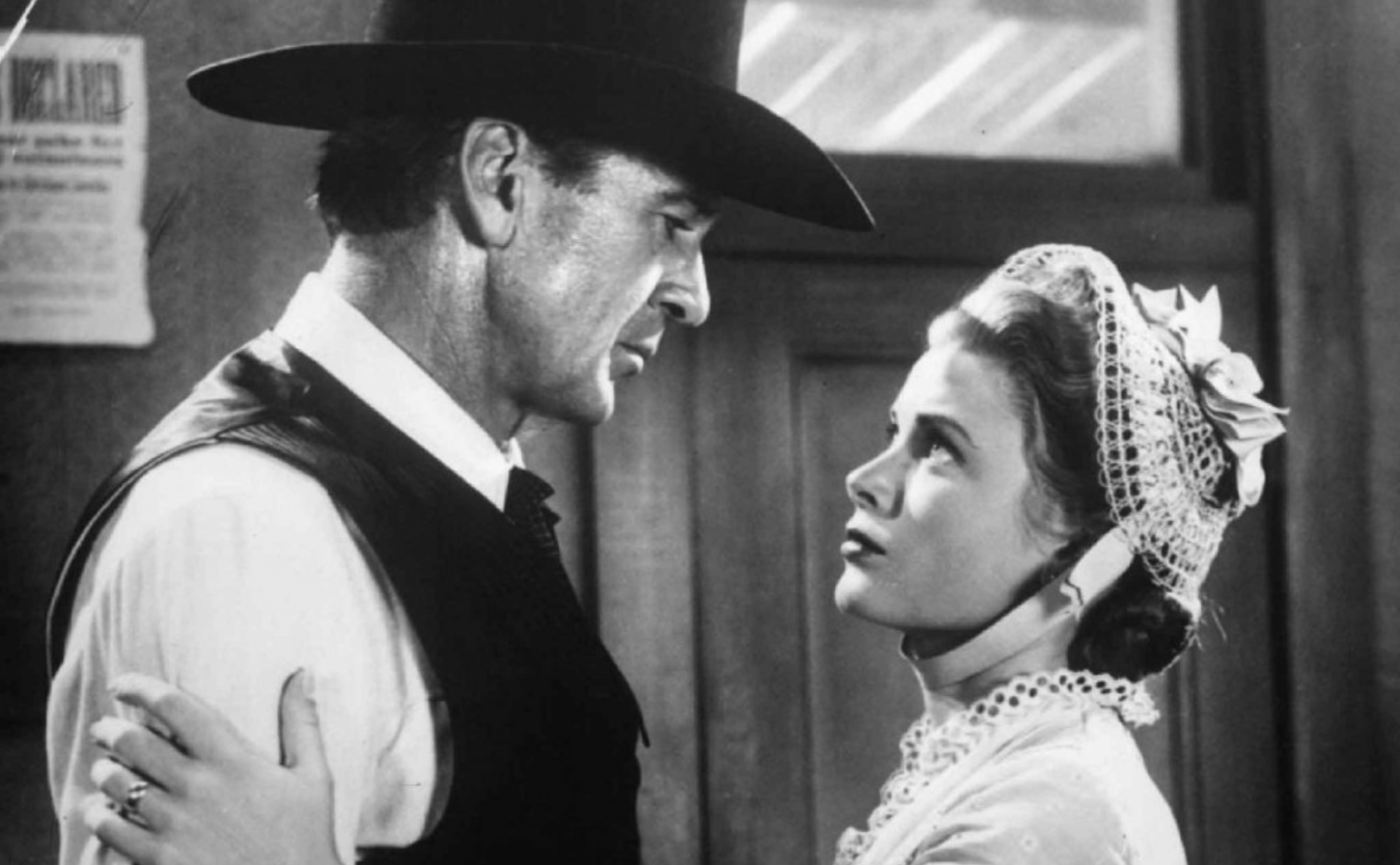
Released at the height of the Hollywood blacklist, High Noon is far more than a classic tale of a lone lawman standing against a gang of killers. Screenwriter Carl Foreman penned the film as a direct allegory for the entertainment industry's compliance with the House Un-American Activities Committee (HUAC)—mirroring how Hollywood figures turned their backs on blacklisted colleagues, just as the townsfolk of Hadleyville abandon Marshal Will Kane in his hour of need.
Why you shouldn't miss this screening:
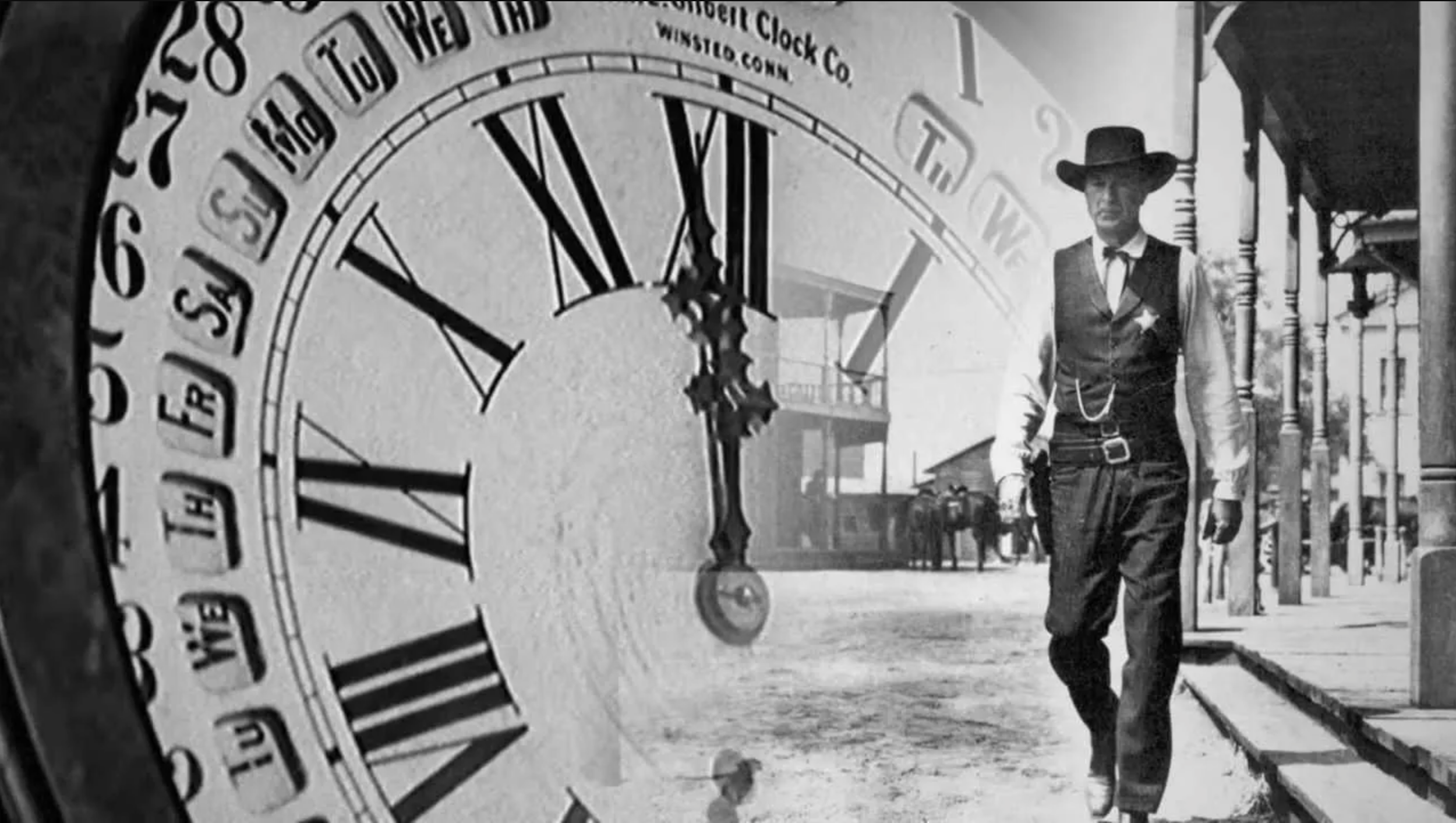
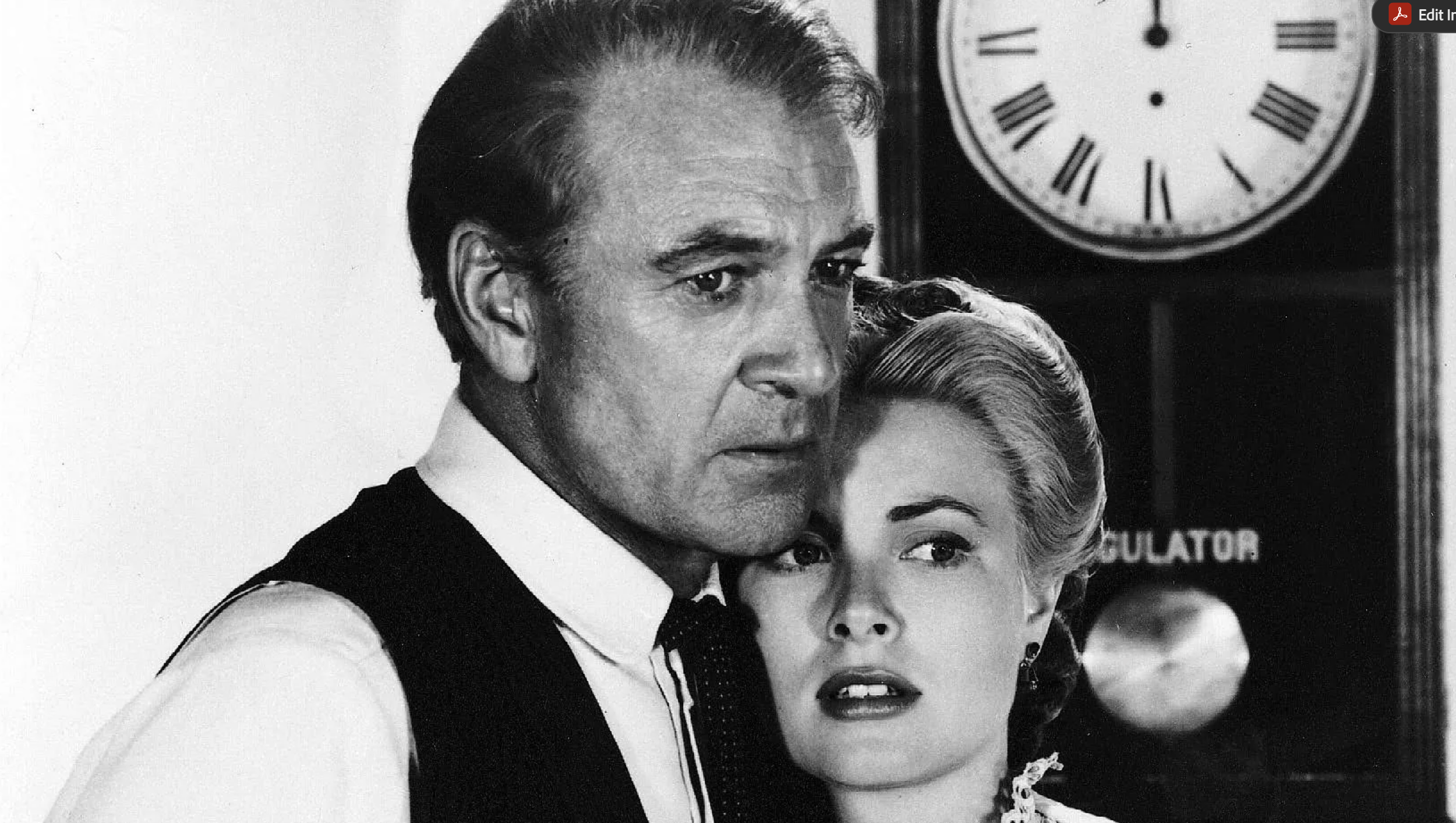
A Revolutionary Narrative Structure: Running at 85 minutes, the film famously unfolds in near real-time, utilizing recurring shots of clocks ticking down to the midday train to build an agonizingly effective sense of dread.
The Revisionist Western: Director Fred Zinnemann stripped away the romanticized myths of the American frontier. Instead of an unshakeable, fearless hero, Gary Cooper delivers an Oscar-winning performance as a vulnerable, sweating, and desperate lawman who openly grapples with fear.
The Anti-Western Backlash: The film was so counter to traditional frontier myths that it drew fierce criticism from industry giants like John Wayne and Howard Hawks, who later made Rio Bravo as a direct, conservative rebuttal to what Wayne called "the most un-American thing I’ve ever seen in my whole life."
A Q&A session led by Alberto will follow the screening to explore the film's political subtext, production history, and lasting impact on cinema.
Kino42 (Podil) - 7pm
Kostiantynivska St, 11Б, Kyiv, 04071
https://maps.app.goo.gl/Qchv6ZqewmDM2PvT7
Please join us a for a film and Q&A.
Join us for a special screening of the taut, real-time Western masterpiece High Noon (1952), hosted by Alberto Queiroz.
Released at the height of the Hollywood blacklist, High Noon is far more than a classic tale of a lone lawman standing against a gang of killers. Screenwriter Carl Foreman penned the film as a direct allegory for the entertainment industry's compliance with the House Un-American Activities Committee (HUAC)—mirroring how Hollywood figures turned their backs on blacklisted colleagues, just as the townsfolk of Hadleyville abandon Marshal Will Kane in his hour of need.
Why you shouldn't miss this screening:
A Revolutionary Narrative Structure: Running at 85 minutes, the film famously unfolds in near real-time, utilizing recurring shots of clocks ticking down to the midday train to build an agonizingly effective sense of dread.
The Revisionist Western: Director Fred Zinnemann stripped away the romanticized myths of the American frontier. Instead of an unshakeable, fearless hero, Gary Cooper delivers an Oscar-winning performance as a vulnerable, sweating, and desperate lawman who openly grapples with fear.
The Anti-Western Backlash: The film was so counter to traditional frontier myths that it drew fierce criticism from industry giants like John Wayne and Howard Hawks, who later made Rio Bravo as a direct, conservative rebuttal to what Wayne called "the most un-American thing I’ve ever seen in my whole life."
A Q&A session led by Alberto will follow the screening to explore the film's political subtext, production history, and lasting impact on cinema.